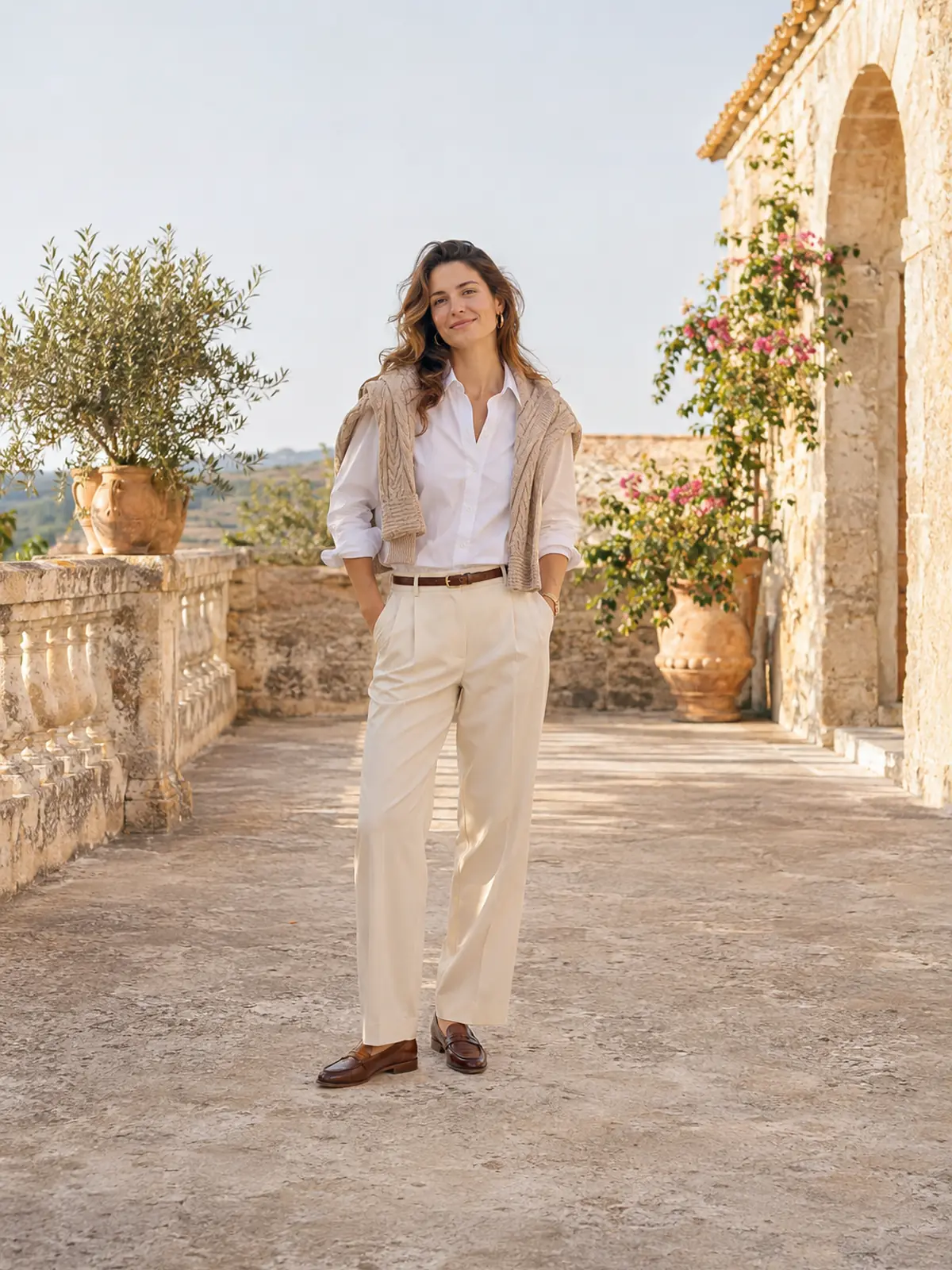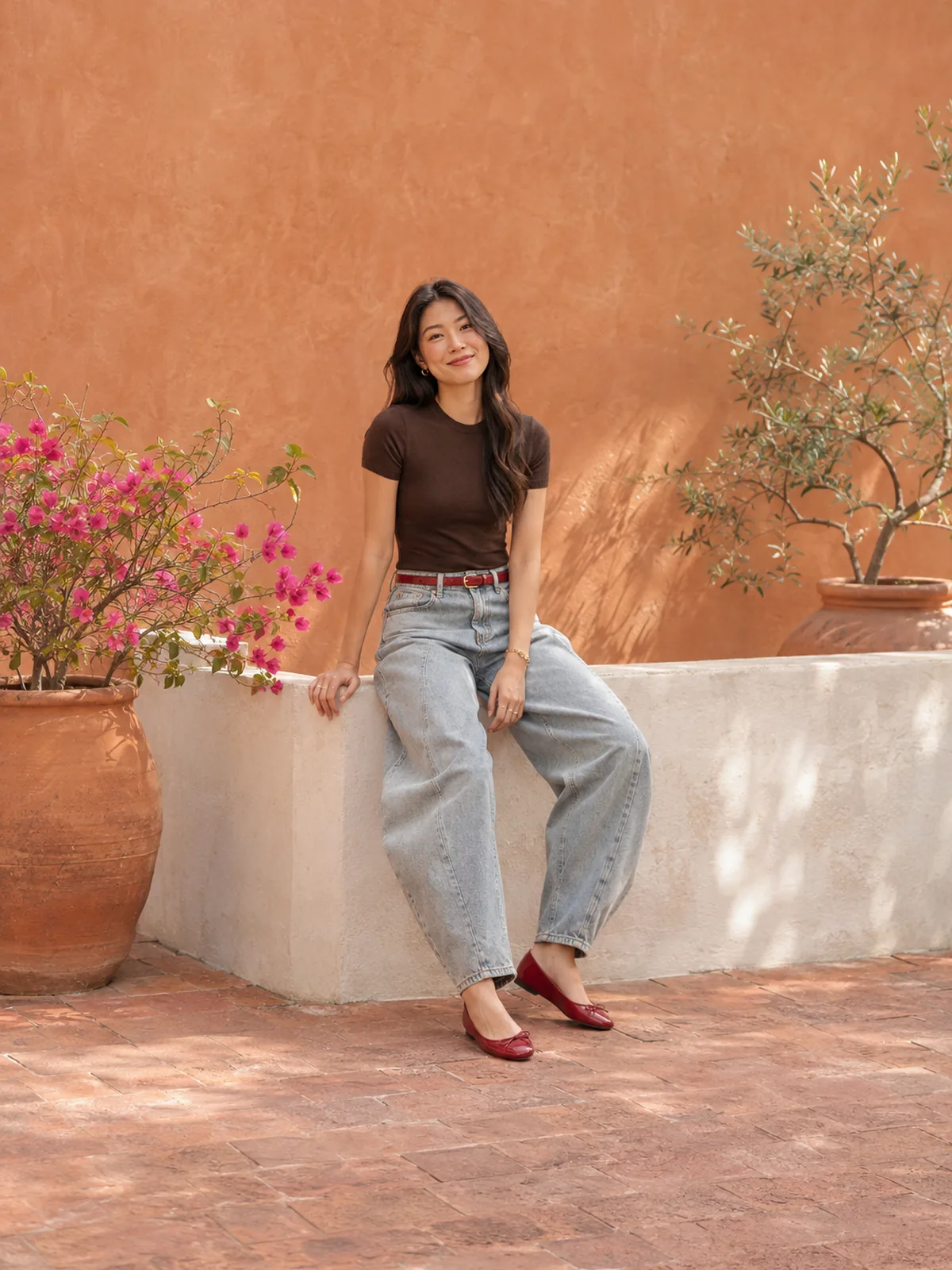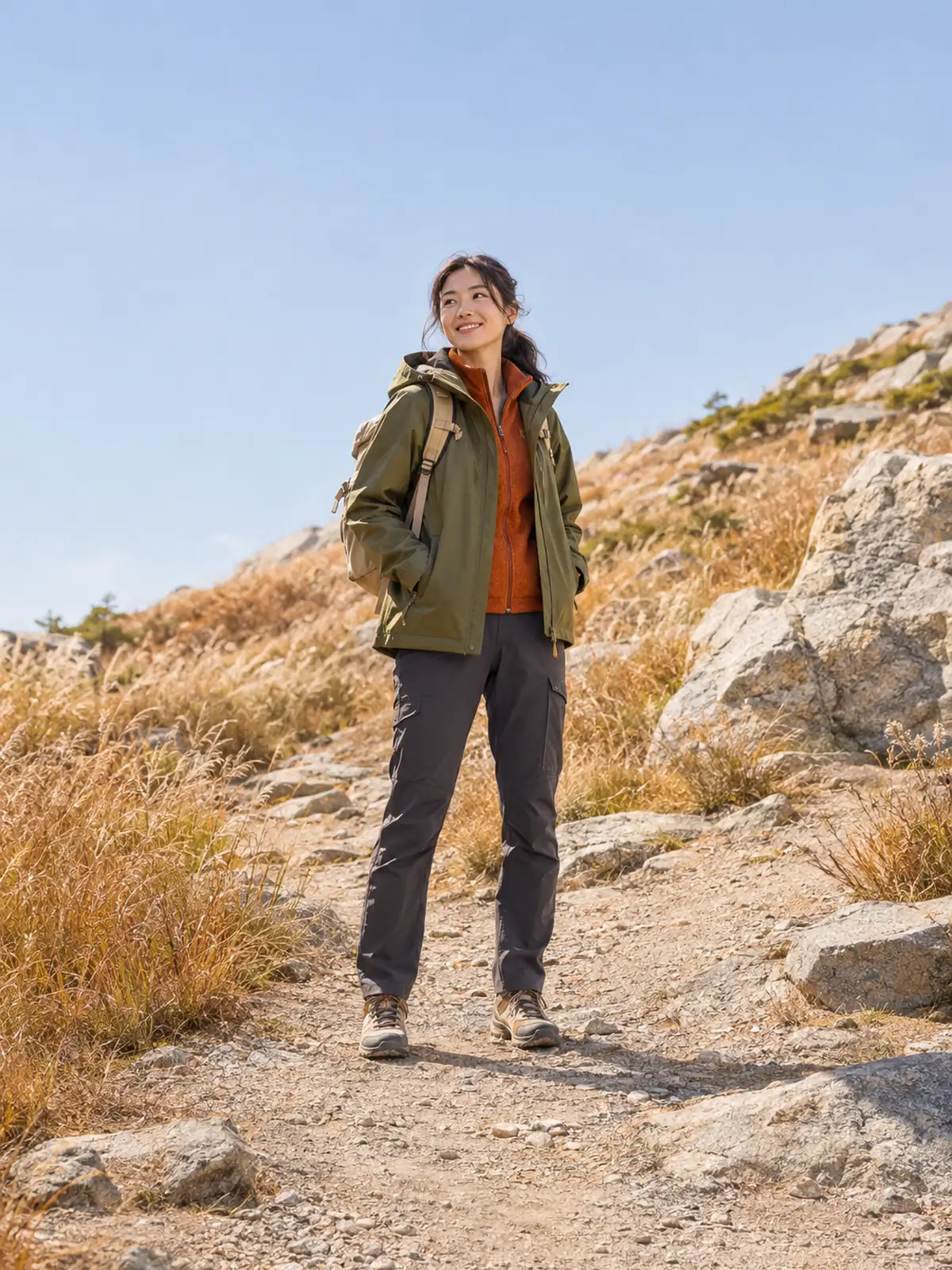
Gorpcore is an outdoor-inspired approach to everyday dressing built around practical layers, utility trousers, fleeces, and trail-influenced footwear. Start with one functional piece you already own and combine it with ordinary clothes. A hiking-looking outfit is not automatically suitable for a hike, and expensive technical equipment is not required for the style.
This guide may contain affiliate links. As an Amazon Associate we earn from qualifying purchases. How our links work.
Separate the outfit idea from outdoor equipment
A lightweight shell over a T-shirt, roomy trousers, and textured sneakers can suggest gorpcore without a head-to-toe expedition outfit. Visible zips, adjustable hems, pockets, and mixed textures provide the recognizable vocabulary. Use the details that make your normal day easier rather than adding functions you will never use.
The important distinction is between appearance and performance. A jacket may look technical without a waterproof construction, and a trail-shaped shoe may not suit the ground you intend to cover. Our vibes guides discuss styling; for an actual outdoor trip, assess the route, weather, equipment guidance, and your experience separately.
You also do not have to prove an outdoor identity to wear practical clothes in town. A fleece is useful on a cold commute even if you are not climbing anything afterward. The style works best when the useful parts are genuinely useful to you.
Start with one anchor piece
Choose a shell jacket, fleece, utility trouser, or trail-inspired shoe from your existing wardrobe. Build an otherwise familiar outfit around it. For example, put a fleece over a plain T-shirt with straight jeans and everyday trainers. This lets you see whether you enjoy the texture and volume before changing the whole silhouette.
If your anchor is a boldly colored jacket, keep the layers underneath simpler. If it is an understated olive trouser, you can introduce more color through the top. There is no required brand roster, and a prominently placed logo is not what makes a pocket or hood functional.
Check that the piece works indoors too. A heavy insulated jacket may look good in a photo but become awkward if you spend the day on warm public transport. A lighter removable layer can be a more realistic starting point.
Balance volume so the layers can move
A roomy shell needs enough space for the layer underneath without pulling across the shoulders or squeezing the sleeves. Try reaching forward and lifting your arms while everything is zipped. If the hem rides dramatically or the collar presses into your throat, change the combination or the fit.
For everyday styling, one broad shape can anchor the outfit. Pair a boxy fleece with straighter trousers, or wide utility trousers with a shorter, simpler jacket. Wearing every piece oversized can work, but it requires attention to hems and where the layers end.
Tighten adjustable hems only as much as needed. Over-cinching can make a jacket balloon or lift at the front. Keep cords and straps from trailing, especially around bikes, escalators, and other moving equipment. Functional details should not become avoidable snags.
Use a simple layering plan
For a changeable urban day, think in terms of a comfortable layer against the skin, an optional warm layer, and an outer layer suited to the forecast. That is a planning tool rather than a fixed clothing prescription. The necessary warmth and weather protection depend on your conditions and how active you will be.
A thin T-shirt, light fleece, and packable shell may be easy to adjust between outside and indoors. If it is warm and dry, remove the fleece or skip the shell. Wearing all three because the outfit needs to look technical defeats the purpose of adaptable layers.
For outdoor activity, do not assume your city combination is adequate. Wind, rain, cold, exertion, and time away from shelter change the requirements. Follow reliable activity-specific guidance and bring suitable equipment, rather than relying on a styling article as a packing list.
Read weather claims literally
Water-resistant and waterproof are not interchangeable descriptions. Construction details, seams, zips, fabric condition, and product specifications can all affect real use. Read what the manufacturer actually claims for the garment instead of deciding by the shine of the fabric.
Breathability is another separate consideration. A shell that keeps rain out may still feel clammy when you walk quickly, especially over warm layers. Try using ventilation features and adjusting insulation rather than assuming every damp feeling means the jacket has failed.
If you are buying mainly for everyday use, describe your actual need first: a short rainy commute, a windy dog walk, or a warm layer for evenings. A clear use case is more helpful than shopping for the highest-sounding technical specification.
Build color through repetition and contrast
Olive, charcoal, brown, navy, and stone are useful foundations, but bright color fits the style too. Try one strong shade against two quieter ones: a cobalt fleece with charcoal trousers and gray shoes, for instance. Repeat a small related color in a bag or sock only if you enjoy the connection.
Texture creates variation even in a monochrome outfit. A smooth shell, fuzzy fleece, woven trouser, and mesh shoe can all read differently in the same general color. This is an easy way to keep a practical combination visually interesting without adding several competing prints.
If the look feels too outdoorsy for your usual wardrobe, replace one utility piece with denim. Our guide to styling a denim jacket offers a familiar outer layer that can temper technical trousers or a trail-influenced shoe.
Choose footwear for the surfaces underfoot
Trail-influenced sneakers, walking shoes, and practical boots can each fit the aesthetic, but suitability depends on fit, outsole design, conditions, and the intended activity. A chunky tread is not a universal guarantee of grip. Try the shoes with the socks you plan to wear and check heel hold and toe room.
For town, consider comfort on hard pavements and how the shoe works with your trouser hem. A wide hem covering much of the upper creates a different outline from a shorter trouser exposing the whole shoe. Keep hems clear of the ground so they do not wick up dirt or catch underfoot.
Care depends on the materials, particularly when mesh, leather, and suede appear together. Our white sneaker cleaning guide explains why a single wet scrub is not a safe answer for every mixed-material shoe. Dark footwear still needs drying and appropriate care.
Keep accessories proportional to the day
A small crossbody bag or simple backpack may be enough for a phone, water bottle, and light layer. Test the straps over your outerwear and make sure pockets stay accessible. Adding a large technical pack to an ordinary short errand may create inconvenience rather than useful style.
For sunglasses, coverage, comfort, and documented UV protection matter more than a wraparound silhouette alone. The sunglasses guide separates those safety checks from appearance. A sporty frame can suit the outfit without replacing the need to read its specifications.
Caps, beanies, and practical socks can finish a combination, but none is mandatory. Choose what the weather and your comfort call for. You do not need a dangling carabiner or a collection of clipped-on accessories to make the aesthetic legible.
Care for technical clothing by its specific instructions
Do not treat every shell as a generic raincoat. GORE-TEX's official outerwear care guide describes washing, drying, and water-repellent maintenance for its products, while emphasizing the garment manufacturer's instructions. It also identifies exceptions, including products with a persistent beading surface, that need different handling.
That is why a universal hot-dryer tip is inappropriate. Heat may be part of a particular approved care process, but it can harm a garment that prohibits it. Read both the sewn-in label and the relevant maker's instructions before washing, adding treatments, tumble-drying, or ironing.
If water stops beading, do not immediately discard the jacket or apply a random coating. Check the approved cleaning and maintenance steps first. Surface wetting, internal condensation, and actual leakage are different observations; record when and where the dampness appears before asking the maker for advice.
Edit the outfit after wearing it
After an ordinary day, note what you actually adjusted: an overheating layer, a slipping bag, a noisy fabric, or a trouser hem catching on shoes. Those observations tell you more than a mirror check. Change the irritating piece before buying another decorative technical detail.
A successful everyday gorpcore outfit can be very simple: one useful jacket, familiar trousers, comfortable shoes, and enough room for the weather. Keep the practical benefits and leave out anything that makes daily life harder.
Your questions, answered
Do I need expensive technical clothing for gorpcore?
No. Begin with an existing fleece, practical jacket, utility trouser, or trail-influenced shoe. Choose technical specifications only when they serve a real need, not because a style label requires them.
Can I wear gorpcore with jeans?
Yes. Jeans can balance a fleece, shell, or sporty shoe in an everyday outfit. That styling choice does not make denim appropriate for every outdoor activity or weather condition.
Can I tumble-dry a waterproof jacket?
Only when the instructions for that particular garment permit it. Some products use controlled heat in their care process; others prohibit tumble-drying. Check the label and official product guidance first.
Sources & further reading
Sources support the factual guidance they address; aesthetic suggestions are editorial judgment, not claims of product testing.