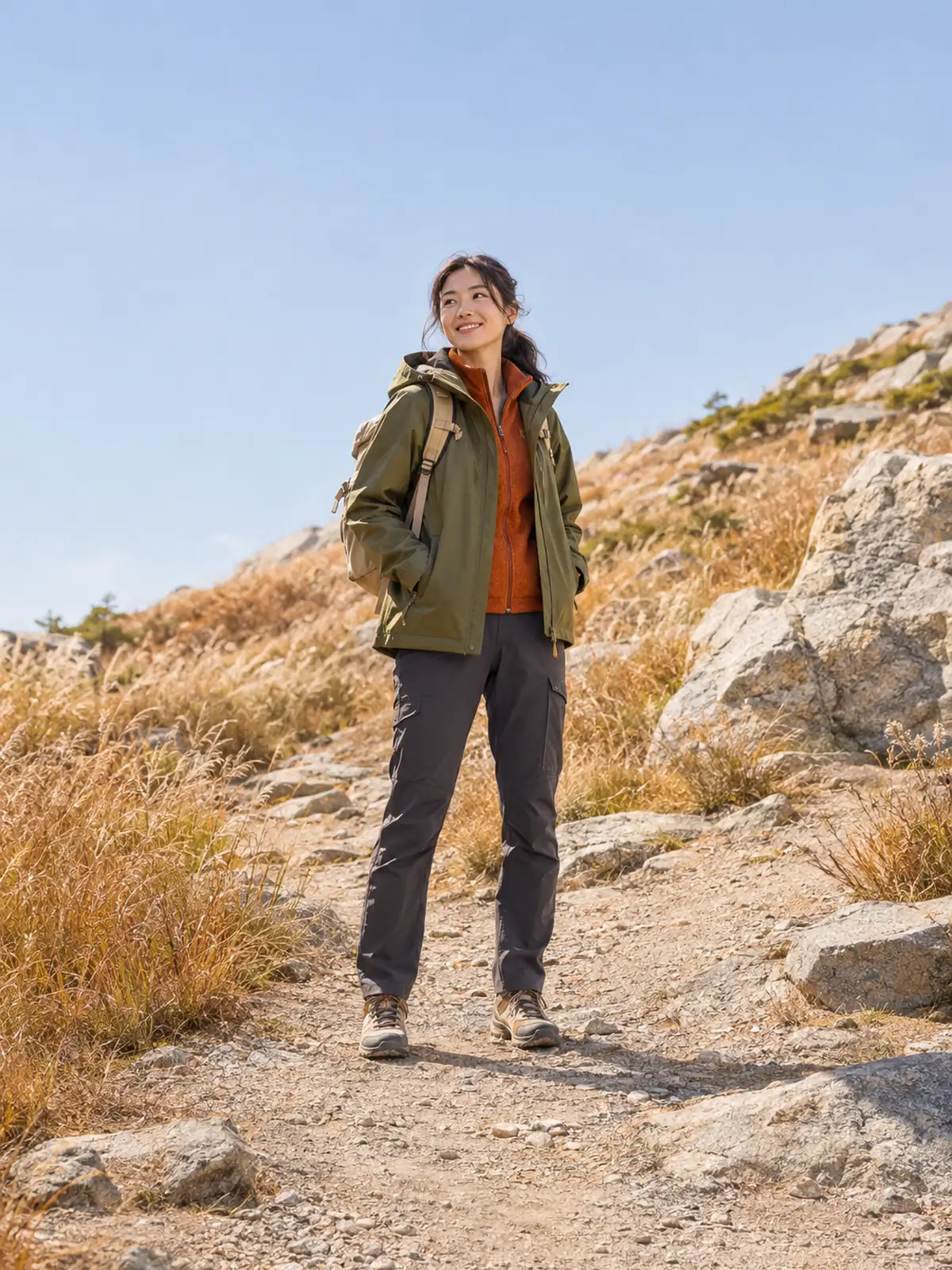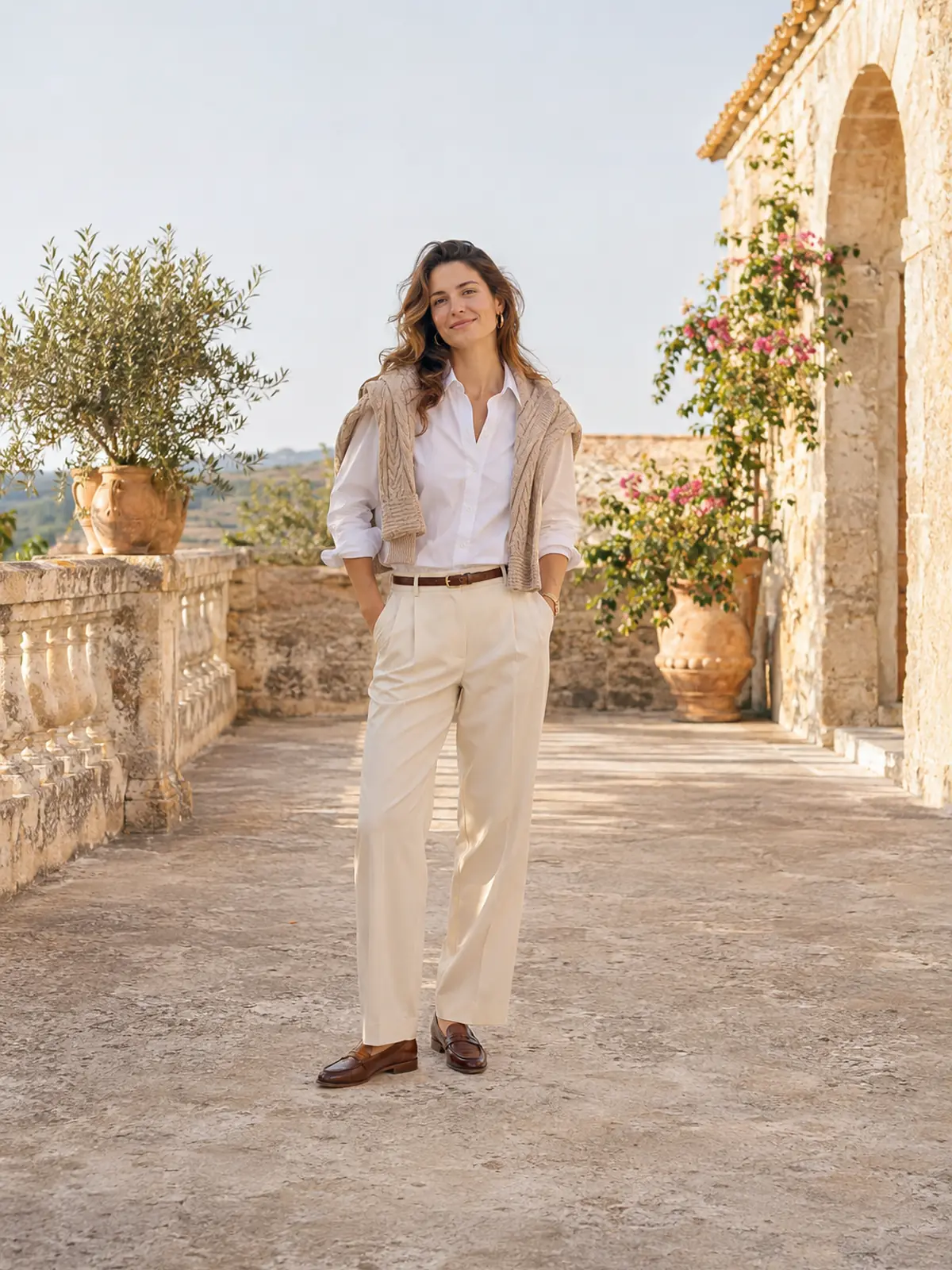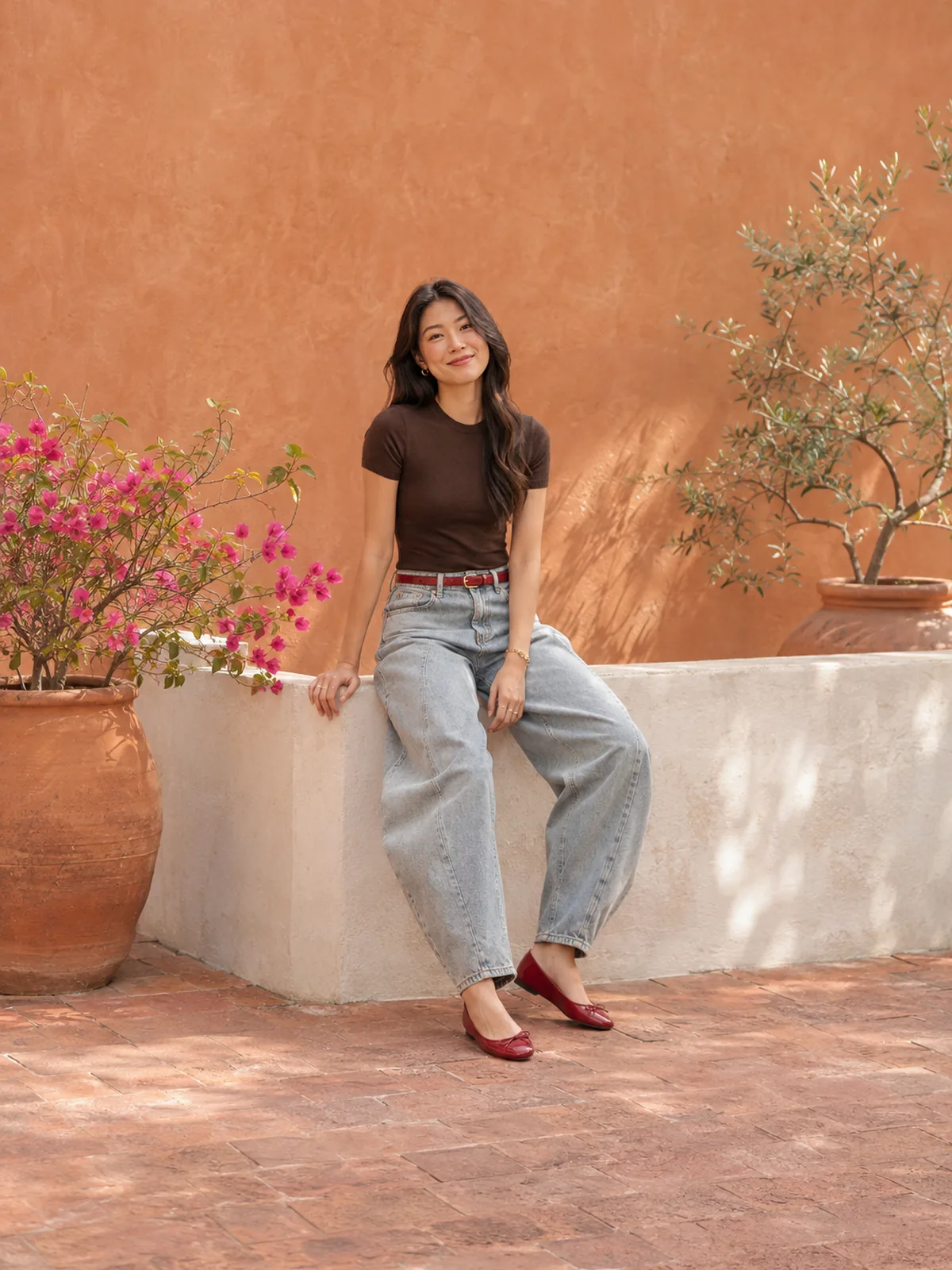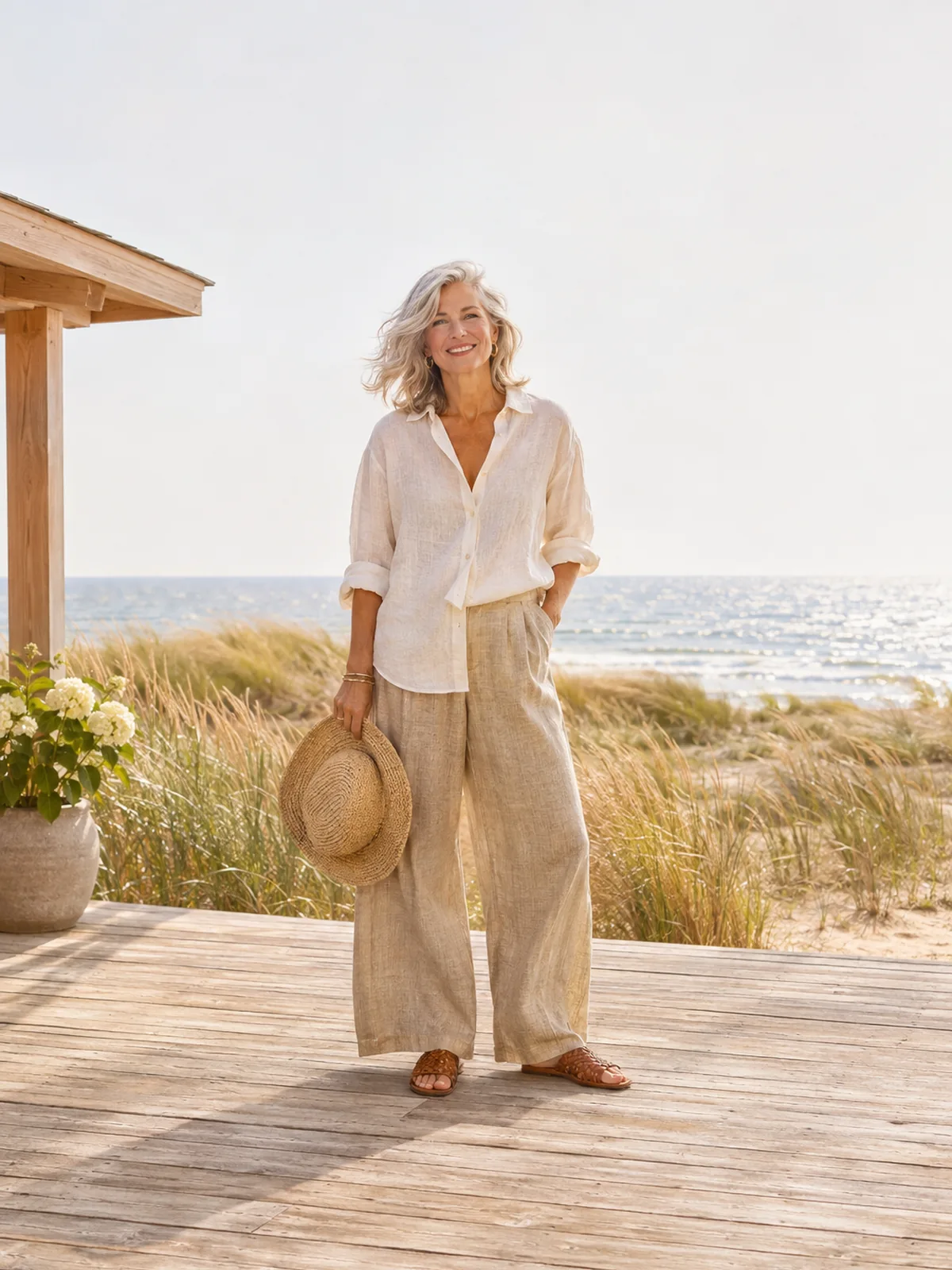
Coastal grandmother style combines relaxed shirts, easy trousers, soft knitwear, and a light, low-contrast palette. You do not need to be a grandmother, live by the sea, or buy an entirely linen wardrobe. Start with an oversized shirt, comfortable bottoms, and practical shoes, then adjust the layers to your climate.
This guide may contain affiliate links. As an Amazon Associate we earn from qualifying purchases. How our links work.
Understand the mood without buying the lifestyle
Think of this aesthetic as comfortable clothing with a loosely coastal mood: breathable-looking layers, unforced shapes, and colors that sit quietly together. The name is a cultural styling shorthand, not an age requirement or a promise about where you spend your holidays. There is no need to stage a seaside life to enjoy a striped shirt.
What distinguishes the look from plain loungewear is usually a little structure. A collar, a neat cuff, a woven texture, or a trouser with a clear shape gives the outfit definition. That leaves plenty of room for softness, practical footwear, and clothes you can actually move in.
Our vibes section treats these labels as starting points. You might borrow the pale palette but prefer fitted shirts, or keep the relaxed proportions in dark colors. The result can still capture the easy feeling without reproducing every familiar reference.
Start with one shirt you can wear three ways
An existing button-front shirt is a useful foundation. Wear it loosely buttoned with trousers, open over a tank, or tied only if the fabric and length make that comfortable. Choose a shoulder and sleeve shape that feels intentionally roomy rather than simply several sizes too large.
Check the shirt from the side as well as the front. A very long curved hem can bunch under a shorter jacket, while a straight hem may layer more easily. Roll the sleeves loosely and leave enough room at the elbows to bend without pulling the collar backward.
If an oversized shirt overwhelms you, try a shorter, boxier cut or tuck only the front into a comfortable waistband. You can also balance a roomy shirt with a straighter bottom. The goal is freedom of movement, not the greatest possible amount of fabric.
Give loose outfits one clear reference point
A wide shirt and wide trousers can work together, but a visible waistband, defined cuff, or slightly shorter top helps the eye read the proportions. Try one adjustment before replacing anything. Changing the tuck or sleeve length can be enough to make an outfit feel deliberate.
For example, combine cream pull-on trousers with a pale blue shirt worn partly tucked and flat sandals. If the waistband creates bulk, leave the shirt open over a fitted tank instead. A soft vertical opening can break up the volume without introducing a restrictive layer.
Denim also belongs here. Light or medium-blue wide-leg jeans can ground a soft knit and a simple T-shirt. Our guide to how to style wide-leg jeans offers useful hem and top-length adjustments if the outfit starts to feel shapeless.
Build color around what you already own
White, oat, sand, pale blue, faded navy, and soft gray are familiar options, but you do not need all of them. Start with two compatible neutrals and one blue or green that appears elsewhere in your wardrobe. Repeating colors makes easy layers feel connected.
Low contrast is optional. A navy shirt with cream trousers can create a clearer outline than a head-to-toe pale outfit. If light clothing is impractical for your commute, work, or household, use mid-tones and keep the relaxed cuts and soft textures.
Check pale garments in daylight before wearing them out. The question is not whether a fabric has an idealized summer look, but whether you are comfortable with its opacity. Choose underlayers according to your own skin tone and preference, and consider a slightly denser weave if transparency bothers you.
Choose fabric for the actual conditions
Linen, cotton, and various blends can all suit the visual language, but fiber content alone does not establish comfort. Fabric weight, weave, fit, humidity, and your own preferences matter. Hold a garment up, feel it against your skin, and consider how it will behave when you sit.
Linen often develops visible creases; decide whether you enjoy that relaxed texture before committing to a large piece. A blend may have a different drape or care routine. No fiber category guarantees softness, cooling, sustainability, or quality, so avoid making the label do all the decision-making.
Read the sewn-in care label before washing or pressing. The FTC's Care Labeling Rule explains the care information required for applicable garments in the United States. A structured linen-blend jacket may need different handling from an unlined linen shirt, even though both fit the same aesthetic.
Assemble a warm-weather outfit that stays practical
For an ordinary warm day, try a cotton tank, an open shirt, loose trousers, and sandals with the support you personally need. Carry a lightweight layer if you move between outdoor heat and strong indoor air-conditioning. A straw-like or woven bag can add texture, but an existing canvas tote works too.
For a casual lunch, button the shirt and swap to a simple skirt or more structured trousers. For travel, choose bottoms that remain comfortable when seated and a bag that closes securely. These small changes do more for the day's success than adding another coastal-looking accessory.
If you wear a sun hat or sunglasses, choose them for their protective function as well as their appearance. Our sunglasses guide explains why a pale frame, dark tint, or fashionable shape cannot replace a clear UV-protection specification.
Translate the look into cooler weather
Keep the same color relationships and add a soft cardigan, crewneck knit, or comfortable coat. Pale trousers can work with a navy knit and enclosed shoes; darker trousers can work with an oatmeal sweater. There is no requirement to wear thin summer fabric through cold weather.
Layer a shirt under a sweater only if the collar and sleeves sit comfortably. If the two pieces twist or bunch, try a smoother underlayer or a roomier knit. A relaxed scarf can add softness, but it should not compensate for outerwear that is inadequate for the temperature.
Rain calls for actual weather protection. Swap delicate open footwear for a suitable closed shoe and use a jacket made for the conditions. A visual reference is not a reason to get wet or cold. The relaxed mood can survive a practical coat.
Add texture without turning the outfit into a theme
Choose one or two textured pieces: a ribbed cardigan, woven bag, canvas shoe, or gently crinkled shirt. If every item announces the seaside at once, the result may feel more like costume than everyday clothing. Removing a themed accessory is often easier than adding a more expensive one.
Stripes can be useful because they introduce pattern within a restrained palette. Try a striped shirt with plain trousers rather than stacking several unrelated nautical motifs. Jewelry can stay as simple or expressive as you like; there is no requirement for shells, pearls, or a particular metal.
If you prefer the sharper side of classic dressing, compare the old money aesthetic. The overlap in shirts and knitwear does not make the looks identical: coastal styling can lean softer and more casual, while tailored styling may put greater emphasis on structure.
Troubleshoot common frustrations
If the outfit looks washed out to you, put a stronger color near your face: navy, olive, or a brighter favorite shade. If it feels too baggy, define one area rather than sizing everything down. A shorter shirt, turned cuff, or clearer trouser waist may be enough.
If you spend the day adjusting the fabric, reconsider the garment instead of blaming the style. Slipping straps, a shirt that opens between buttons, or trousers that drag will remain irritating even in the perfect palette. Comfort should be observable in movement, not just suggested by a photograph.
Before buying another piece, make three combinations from what you own and wear one for a normal day. Note what actually felt good and what needed adjustment. That small experiment gives you a more personal interpretation than buying a whole aesthetic in one order.
Your questions, answered
Can anyone wear coastal grandmother style?
Yes. The name does not set an age, gender, location, or family-status requirement. Borrow the shapes, colors, or textures you enjoy and ignore the label if it does not appeal to you.
Does everything have to be linen?
No. Cotton, knits, denim, and blends can work. Choose the weight, comfort, opacity, and care requirements that suit your actual life rather than a single fiber name.
How do I make the look less oversized?
Choose one relaxed piece and keep the other shapes simpler. A roomy shirt with straight trousers or a closer-fitting tank with wide trousers can preserve the mood without all-over volume.
Sources & further reading
Sources support the factual guidance they address; aesthetic suggestions are editorial judgment, not claims of product testing.